
TL;DR / Summary: European-style tickets and many ferry PDFs print departures as 17:40 or 1740 with no AM/PM. Learn to read four-digit 24-hour times, cross-check with a military time chart, and set phone alarms that match the ticket—not your home country’s casual clock talk.
Why tickets dropped the AM/PM crutch
Cross-border rail, coastal ferries, and overnight coaches serve travelers from many locales. A single 24-hour string travels through booking engines without translating “evening” into every language. The cost is cognitive load for visitors who still say “quarter to six” without specifying which six.
Once you accept that the ticket is the authority—not your hotel wake-up phrasing—missed departures drop. Pride about “I always use AM/PM” does not move boats.
Spot the format on the PDF before you pack
Look for leading zeros (09:15), hours above 12 (21:05), or four compact digits (2105). If you see 21:05, that is 9:05 p.m., not a typo for morning. Write the civilian equivalent once in your notes during booking so airport-brain at 04:00 does not invent a new reading.
Keep a bookmark to a clear 24-hour time chart on your phone’s travel folder. Connectivity at docks is uneven; a saved screenshot of 0000–2359 beats hoping the booking app still loads. Print one wallet card if you hate phones on wet decks.
Boarding windows are not departure times
Ferry operators often require check-in 30–60 minutes early. If sailing is 0630, gate close might be 0545. Put both on a sticky note on your passport sleeve. Families miss boats more often from slow check-in math than from sleeping through the sailing itself.
- Departure: when the vehicle leaves.
- Arrive-by: when you must be at the desk.
- Wake alarm: arrive-by minus transit from hotel—still in 24-hour if you can stand it.
- Buffer: add taxi uncertainty on strike days or storm mornings.
Overnight legs and date lines on tickets
A train that leaves 2340 and arrives 0610 usually arrives the next calendar day. Confirm the arrival date printed in ISO style. Mixing a U.S.-style date (11/02) with 24-hour times is fine if you stay consistent; mixing European day-first dates with U.S. month-first chat messages is how people book the wrong Tuesday.
Seat reservations that say “Coach 7, 23:40” still need you on the platform earlier. The reservation time is not a suggestion to stroll up at 23:39 with coffee.
Platform boards versus phone lock screens
Station boards almost always speak 24-hour. If your phone lock screen is 12-hour, glance conversion errors spike when you are jogging with luggage. For trip days, switch the phone temporarily to 24-hour display so board and pocket agree. Switch back after you clear the trip if you prefer.
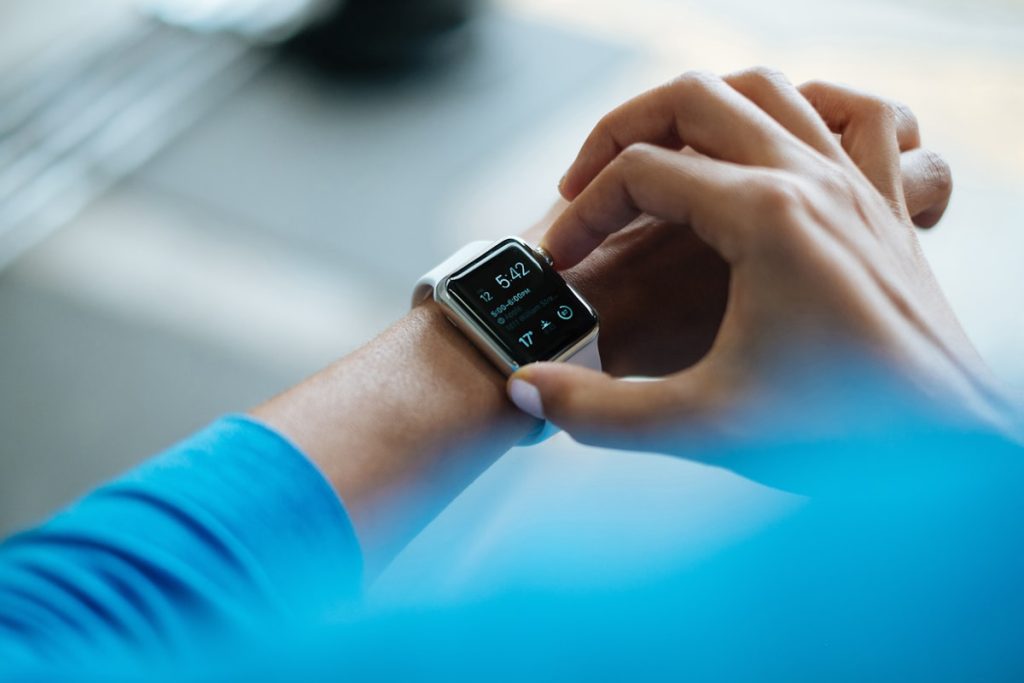
Smartwatches that show fancy analog faces hide the digits you need. Use a digital complication on travel mornings.
Group travel coordination
In group chats, paste the ticket string verbatim: “Meet at gate 17:20 sailing.” Adding a parenthetical “(5:20 p.m.)” once helps mixed groups; afterward, refuse to renegotiate in slang. Screenshots of the ticket time beat voice messages saying “around five.”
Assign one person as time captain. Multiple captains create parallel plans that diverge by twenty minutes before anyone notices.
Missed connection triage
When a delay posts as +40 on a board showing 14:10, recompute the new departure as 14:50—not “ten of three” arguments. Rebook tools often require 24-hour input fields; typing 2:50 PM into a 24-hour field can silently fail or shift oddly depending on locale.
Keep booking reference numbers offline. Panic rebooking with a dead battery is a second failure mode.
Kids, elders, and accessibility
Print a large card: “Boat 18:10 = 6:10 at night.” Pair digits with a sun/moon icon for travelers who dislike converting under stress. Staff would rather answer one clarifying question at the desk than reissue tickets after a twelve-hour mistake.
If someone in your party has low vision, speak times as four distinct digits—“one eight one zero”—rather than mumbled “eighteen ten,” which can blur with “eighty ten” in noisy halls.
Closing habit
At booking, translate once. At travel dawn, trust the four digits on the PDF and the chart you saved. Ferry wakes and rail dashes already cost enough adrenaline—leave AM/PM ambiguity at home.